Start With the Measurement Goal
Static weighing, dynamic in-motion weighing, and volumetric truck scanning are often compared as if they solve the same problem. They do not. The right workflow depends on whether the operation needs certified gross weight, faster screening, axle or component insight, load-volume data, or a repeatable production-tracking process.
Quick Answer
- Use a static truck scale when the operation needs a controlled stop, stable gross weight, ticketing, and a familiar site workflow.
- Use a dynamic or in-motion workflow when throughput matters and the system can support the required accuracy, speed, and vehicle-control conditions.
- Use volumetric truck scanning when the important question is load volume, fill level, material movement, or load-profile consistency rather than weight alone.
The decision is less about which option is universally better and more about matching the measurement method to the operational question. A system designed for ticketed gross weight is different from a system designed to estimate moving payloads, and both are different from a scanner workflow built around volume and material tracking.
What Static Truck Weighing Does Well
Static weighing measures a vehicle while it is stopped on a scale platform, weighbridge, axle scale, or similar weighing surface. The controlled stop is the point: the vehicle is stationary, the scale can settle, and the process can be tied to ticketing, dispatch, compliance, billing, or inventory records.
Static workflows work best when the site can absorb the stop-and-go traffic pattern. They are also easier for many teams to understand because the procedure is direct: enter the scale, stop, record the weight, and exit.
- Best for controlled gross-weight readings and ticketing workflows.
- Useful when the site has enough space for approach, stop, and exit lanes.
- Typically easier to train around because the workflow is visible and procedural.
- Less useful when the site cannot tolerate vehicle stops or queuing.
What Dynamic Measurement Does Well
Dynamic measurement covers workflows where the vehicle does not need the same full stop used in static weighing. Depending on the equipment, the system may measure a truck as it moves through a controlled zone, passes across a weighing area, or is evaluated by sensors and scan data during the loading or haul cycle.
The advantage is operational speed. The tradeoff is that site control, vehicle speed, surface conditions, calibration, and repeatable driver behavior become more important. Dynamic workflows should be evaluated by the specific equipment, the needed accuracy, and whether the site can keep the measurement conditions consistent.
- Best when throughput, screening, or production flow matters.
- Useful when stopping every truck creates delays or queue pressure.
- Requires clear operating rules for speed, approach, and driver behavior.
- Should be validated against the accuracy and reporting needs of the operation.
Where Volumetric Truck Scanning Fits
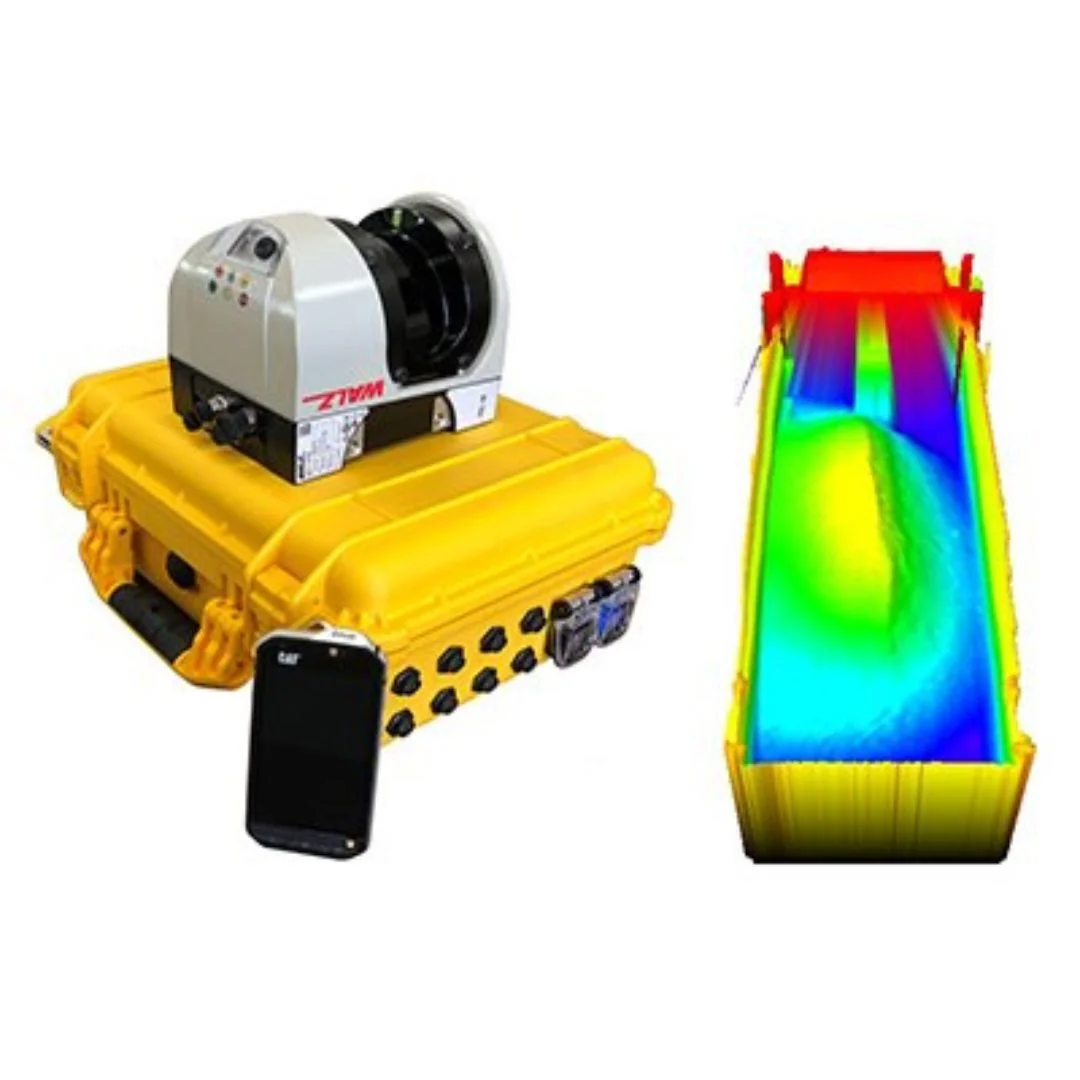
Volumetric truck scanning belongs in the conversation when the operation needs more than a weight reading. A scanner workflow can help track load volume, bucket or truck fill consistency, material movement, and production quantities where volume is the meaningful operating measure.
That makes scanning especially useful for operations that manage bulk material movement and want better visibility into what is being hauled, not just whether a truck crossed a scale. It can complement scale data, but it should not be described as a simple replacement for every scale workflow.
Dynamic vs. Static Comparison
| Decision factor | Static weighing | Dynamic or scanning workflow | How to decide |
|---|---|---|---|
| Primary measurement goal | Stable vehicle weight, gross weight, ticketing, and controlled records. | Throughput, in-motion screening, load profile, volume, or production tracking. | Start with the data the operation needs to trust. |
| Vehicle behavior | Truck stops on or near the weighing equipment. | Truck keeps moving, moves through a controlled zone, or is scanned during the work cycle. | Choose static if stopping is acceptable; evaluate dynamic if stops create bottlenecks. |
| Site requirements | Needs approach, stopping, exit space, and traffic control around the scale. | Needs consistent speed, path, surface conditions, sensor placement, and operator discipline. | Pick the workflow the site can repeat reliably every day. |
| Throughput impact | Can create queues when every truck must stop. | Can reduce stop time if the site supports the measurement method. | Use dynamic workflows when delay reduction is a real operating priority. |
| Operational complexity | Simple procedure, but traffic flow and maintenance still matter. | More sensitive to setup, calibration, driver behavior, and data interpretation. | Do not choose dynamic only for speed if the site cannot control the variables. |
| Best fit | Truck ticketing, compliance workflows, receiving/shipping, and controlled gross-weight records. | High-volume material movement, haul-cycle monitoring, production visibility, and volume-focused reporting. | Match the system to the decision the data must support. |
Measurement Quality Still Depends on Procedure
No truck measurement method fixes a poor process by itself. Static weighing still depends on maintenance, calibration, traffic control, and operator consistency. Dynamic workflows add more variables, including speed control, sensor alignment, surface conditions, and driver behavior.
Before selecting equipment, define the acceptable tolerance, reporting use, calibration routine, operator training plan, and exception process. The workflow should be repeatable enough that the team trusts the data after the system is installed.
Choosing the Right Workflow
For a straightforward ticketing workflow, static weighing is usually the starting point. For operations where trucks must keep moving and the measurement is used for production visibility, screening, or process control, dynamic measurement deserves evaluation. For operations where load volume, material movement, or fill consistency matters most, volumetric scanning may provide the more useful data set.
The strongest setup may combine methods. A site can use a scale for weight records and a scanner for volume or load-profile insight. The key is to avoid forcing one measurement method to answer a question it was not designed to answer.
Bottom Line
Static truck weighing is best when the operation needs a controlled, stop-based weight workflow. Dynamic measurement is best when throughput and movement matter, provided the site can control the variables that affect accuracy. Volumetric scanning is best when the operation needs load-volume or material-movement insight. Start with the decision the data must support, then choose the measurement workflow around that requirement.