Use Portability When the Weighing Point Needs to Move
Portable truck scales are most valuable when weight checks need to happen near a jobsite, yard, temporary loading area, field operation, or inspection point. This guide consolidates the strongest portable-scale source material into one practical buying and workflow reference.
Quick Answer
- Use a portable truck scale when the weighing location changes, vehicles need field checks, or a permanent weighbridge is not practical for the workflow.
- Use portable axle scales when axle or axle-group weights are the main concern and the team can follow a controlled, repeatable weighing process.
- Use wheel weighers for compact, flexible wheel or axle checks where portability and quick setup matter more than full-length ticketing.
- Use a full-length truck scale when the operation needs a certified single-draft gross weight transaction, permanent scale-house workflow, or high-volume ticketing lane.
The main decision is not simply portable versus permanent. The better question is where the weighing event needs to happen, what decision the weight data supports, and how repeatable the site workflow can be.
What Is a Portable Truck Scale?
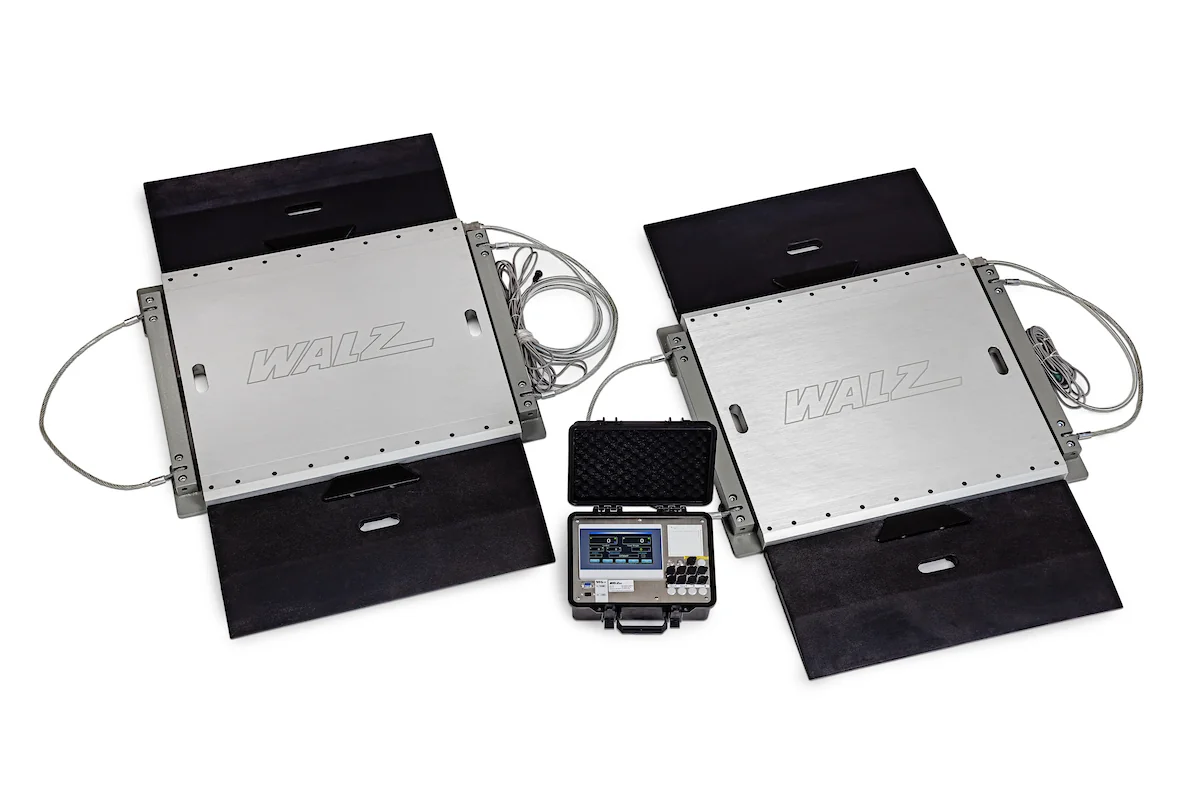
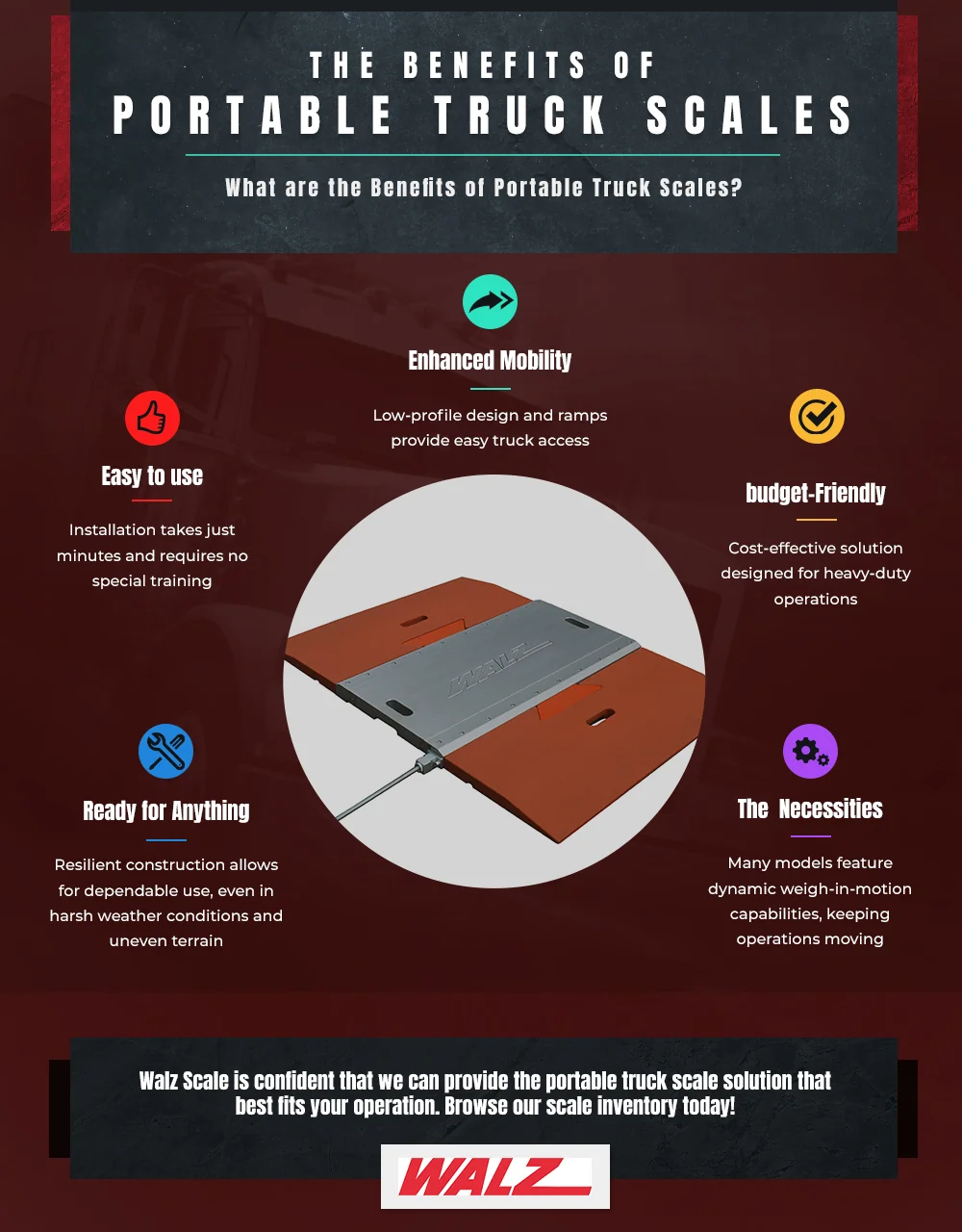
A portable truck scale is a movable vehicle-weighing system used to measure truck, axle, axle-group, or wheel loads without sending every vehicle to a fixed scale location. Instead of building the weighing process around a permanent scale pit or scale house, the operator can bring the weighing equipment closer to the jobsite, yard, field, loading area, or temporary work zone.
Portable systems can include axle pads, wheel weighers, ramps, cables, indicators, printers, terminals, and software or reporting tools depending on the configuration. Some setups are used for quick screening and operational checks. Others support more formal records when the equipment, calibration, and process are appropriate for that purpose.
The core advantage is flexibility. A portable scale can support sites where vehicles, materials, or loading points move over time, or where a permanent installation would be too expensive, too slow to deploy, or simply unnecessary for the measurement goal.
Where Portable Truck Scales Fit
Portable truck scales are a strong fit for operations that need weight information in more than one location. That can include construction sites, agricultural operations, aggregate yards, mining support areas, temporary haul routes, freight yards, recycling operations, and fleet checks.
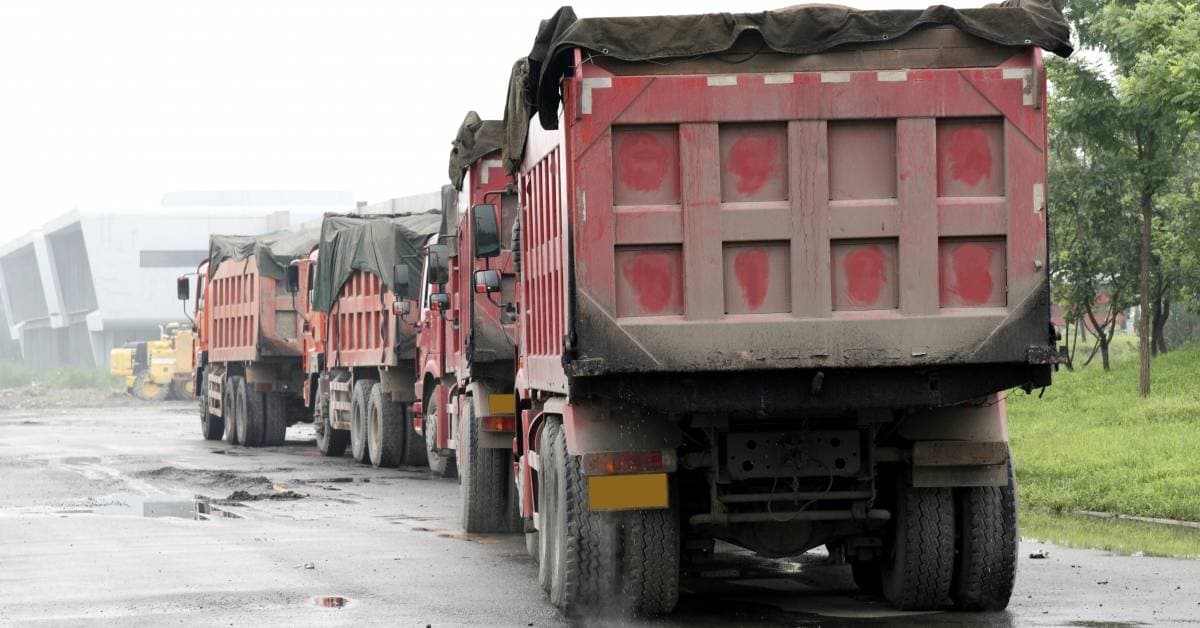
They are especially useful when the operation needs to reduce unnecessary travel to a fixed scale, check vehicles before they leave a site, monitor payload balance, or avoid running overloaded vehicles onto public roads. In those cases, the value comes from getting useful weight data earlier in the workflow.
Portable systems are not automatically the right answer for every weighing problem. If the business needs a high-volume permanent lane, certified commercial transactions, or single-draft gross weights for every truck, a full-length weighbridge may still be the better center of the workflow.
How Portable Axle Scales and Wheel Weighers Work
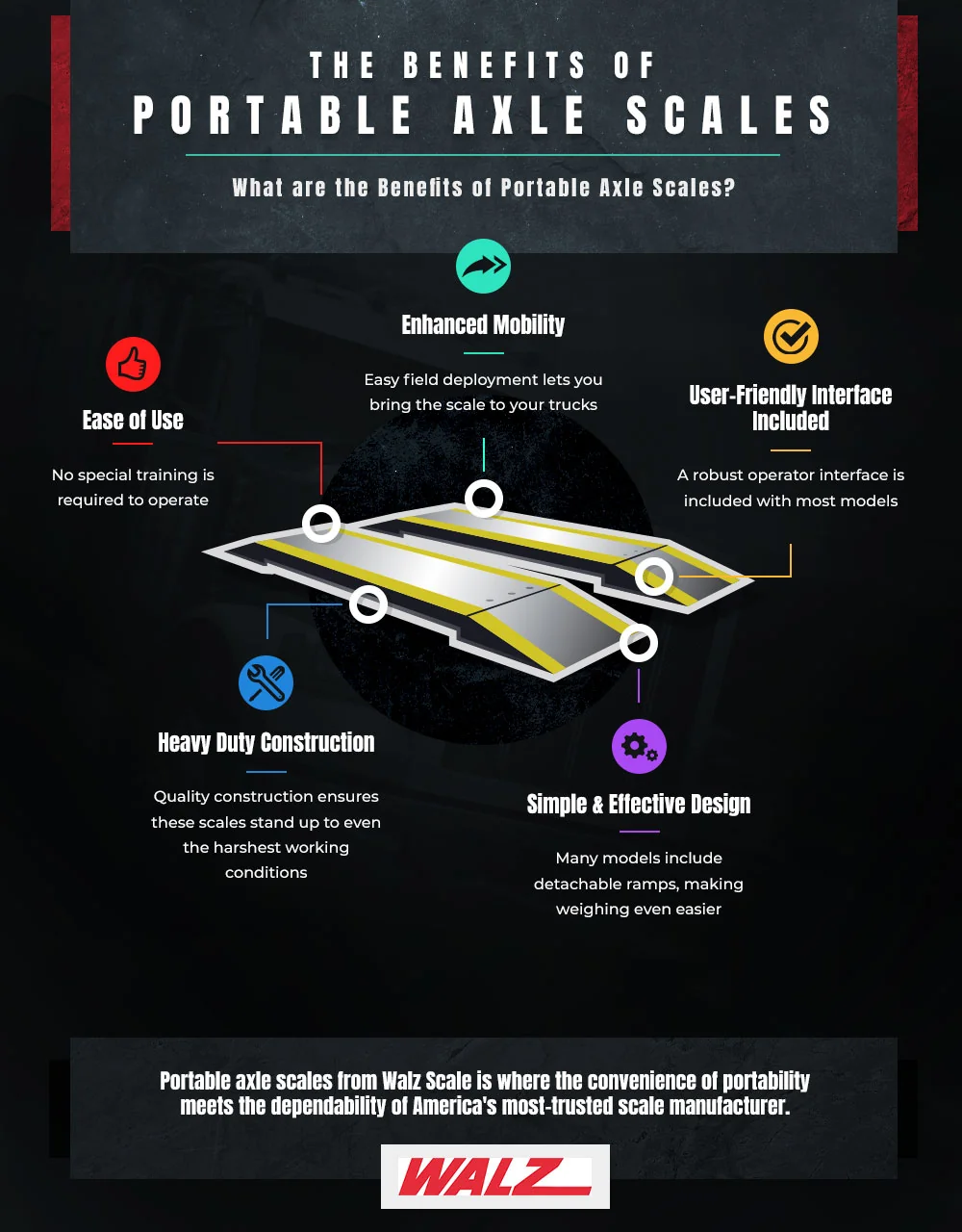
Most portable truck weighing workflows measure the truck in smaller parts instead of weighing the entire vehicle in a single draft. A driver positions wheels or axles on scale pads, the scale measures the applied load through load cells, and the indicator or terminal displays the reading. The operator then records each axle, axle group, or wheel position according to the procedure for that system.
For axle-based weighing, the gross loaded weight is commonly built from the measured axle or axle-group weights. Net load weight requires a known tare weight or a separate empty-vehicle weighing process. Because the final result depends on multiple individual measurements, setup discipline matters: surface condition, pad alignment, vehicle position, speed, and repeatability all affect confidence in the data.
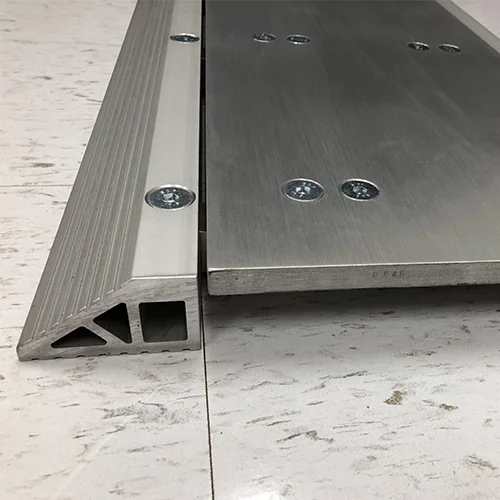
Many portable systems use low-profile pads and ramps so trucks can roll onto the weighing surface with less setup friction. Some configurations include remote displays, printers, terminals, or software so the team can record totals, review exceptions, and keep weight data tied to the right vehicle or load.
Portable Scale Types Compared
| Scale type | Best fit | Strengths | Watch-outs |
|---|---|---|---|
| Portable axle scales | Axle or axle-group checks for trucks, trailers, and site vehicles. | Flexible field deployment, low-profile access, useful for overload prevention and axle-balance checks. | Requires a repeatable multi-step workflow; not the same as a full-length single-draft ticket. |
| Wheel weighers | Compact wheel-position checks, yard screening, and portable spot checks. | Easy to move and store; useful when a small setup footprint matters. | Wheel-by-wheel workflows require careful positioning and consistent surface conditions. |
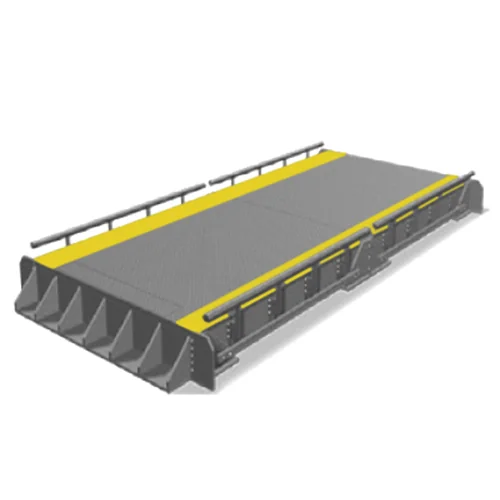
| Portable/modular truck scales | Temporary or movable truck-scale lanes where a longer platform is needed. | Can support a more familiar truck-scale workflow than individual pads. | Usually requires more setup space, more site preparation, and a larger equipment footprint. |
| Permanent full-length weighbridge | High-volume, fixed-location truck weighing and formal scale-house workflows. | Single-draft gross weighing, stable site design, and durable permanent infrastructure. | Not portable; higher site commitment and installation planning. |
What Portable Truck Scales Help Control
The strongest reason to use portable truck scales is not convenience by itself. The real value is earlier, more location-specific weight information that helps the team make better decisions before a truck moves too far through the workflow.
- Overload prevention: Field checks can help identify trucks that may exceed axle, gross, or site limits before they leave the loading area.
- Payload control: Operators can adjust loading practices with better feedback instead of relying only on estimate, bucket count, or visual judgment.
- Fleet and road protection: Better load control can reduce unnecessary stress on vehicles, tires, roads, and site surfaces.
- Operational efficiency: Moving the scale closer to the work can reduce trips to a fixed scale and help crews resolve load issues earlier.
- Record quality: When paired with the right terminal, printer, or software workflow, portable weighing can support clearer weight records and exception tracking.
Features to Evaluate Before Buying
Portable scale selection should start with the vehicles, surfaces, and records the operation actually needs to support. A scale that is easy to move but poorly matched to the vehicle, axle load, or reporting process will create frustration quickly.
- Capacity: Match the scale to the heaviest axle, axle group, wheel load, or vehicle type expected in the workflow.
- Platform or pad size: Confirm that tire contact, axle spacing, and vehicle approach are practical for the equipment.
- Profile and ramps: Low-profile pads and proper ramps can make setup smoother and reduce driver difficulty.
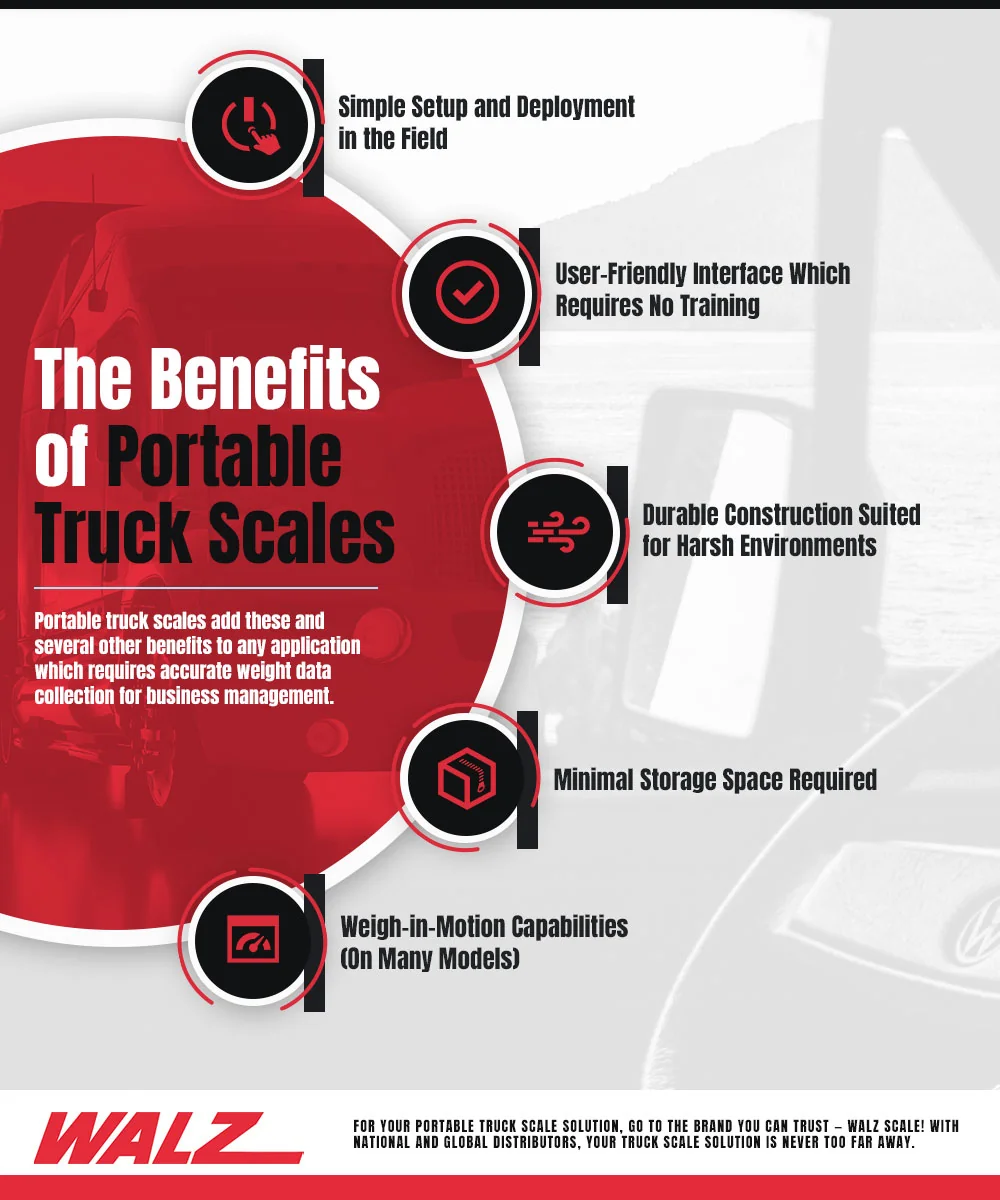
- Construction: Look for rugged materials, weather resistance, and field-ready protection for load cells, cables, and connectors.
- Display and records: Decide whether the team needs only a visible reading or also totals, stored records, printed tickets, or data export.
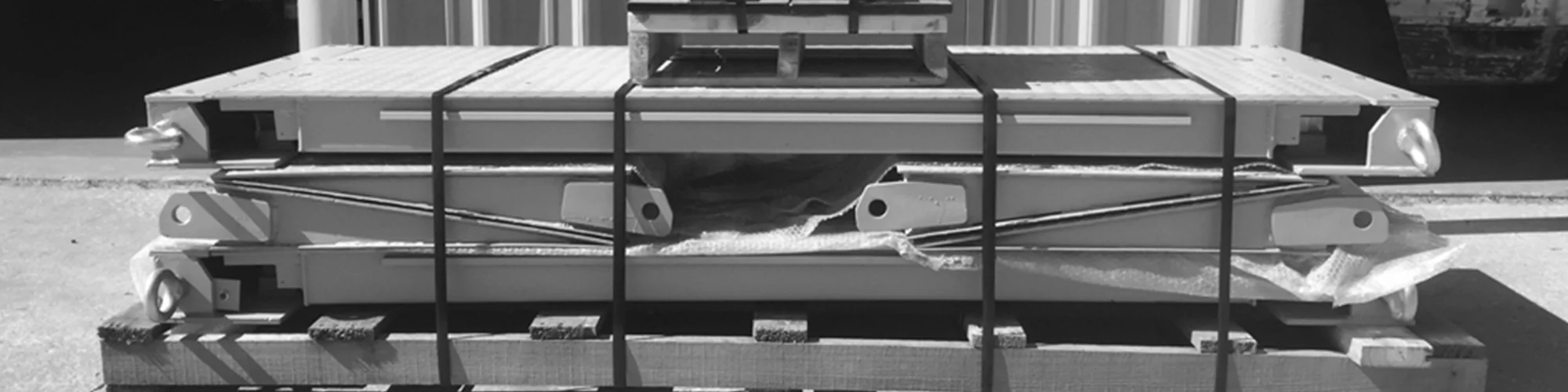
- Transport and storage: Consider lifting straps, cases, pad weight, vehicle storage space, and how often the system will move.
Setup and Weighing Workflow
Portable scales are only as useful as the process around them. Because the weighing location can change, the team needs a simple setup checklist that keeps the measurement conditions as consistent as practical.
- Choose a stable, level surface appropriate for the scale and vehicle.
- Inspect the scale pads, ramps, cables, connectors, indicator, and power source before weighing.
- Position pads consistently and keep the vehicle aligned with the intended approach path.
- Control vehicle speed and stopping behavior according to the equipment procedure.
- Record axle, axle-group, wheel, tare, gross, and net values only when the workflow supports those values.
- Document unusual site conditions, unstable surfaces, weather issues, or driver-positioning problems that could affect the reading.
That repeatability is what turns a portable scale from a convenient tool into a dependable part of the operation.
Calibration, Accuracy, and Compliance
Portable truck scales should be calibrated and verified on a schedule that matches how they are used and how much risk is attached to a bad reading. If the data supports billing, compliance, load acceptance, or safety decisions, the calibration process deserves more formality than an occasional check when something looks wrong.
Any scale used around commercial transactions or compliance reporting should be reviewed against the applicable legal-for-trade, certification, and inspection requirements for that use case. Portable axle pads and wheel weighers are often excellent for screening, field checks, and operational control, but they should not be assumed to replace a certified full-length weighbridge when a certified transaction is required.
When readings drift, the scale is damaged, the setup changes significantly, or the equipment has been moved through harsh conditions, verification should happen before the data is trusted for high-consequence decisions. See scale calibration options if the workflow needs a formal calibration or service plan.
Choosing the Right Portable Truck Scale
Start with the decision the scale needs to support. A quarry checking heavy haul loads, a farm managing seasonal truck traffic, a construction crew moving between jobsites, and a fleet yard screening axle weights may all need portable weighing, but not necessarily the same scale package.
Use these questions to narrow the choice:
- What is the heaviest axle, wheel, or vehicle load the system needs to measure?
- Will the scale move daily, seasonally, or only when a temporary project changes location?
- Does the team need axle-level information, gross weight, printed tickets, or stored records?
- Will the weighing surface be paved, gravel, compacted field surface, or another changing site condition?
- Will the data be used for internal control, road-limit screening, billing support, or certified transaction work?
- How much setup time can the crew realistically follow on every weighing event?
Product Selection
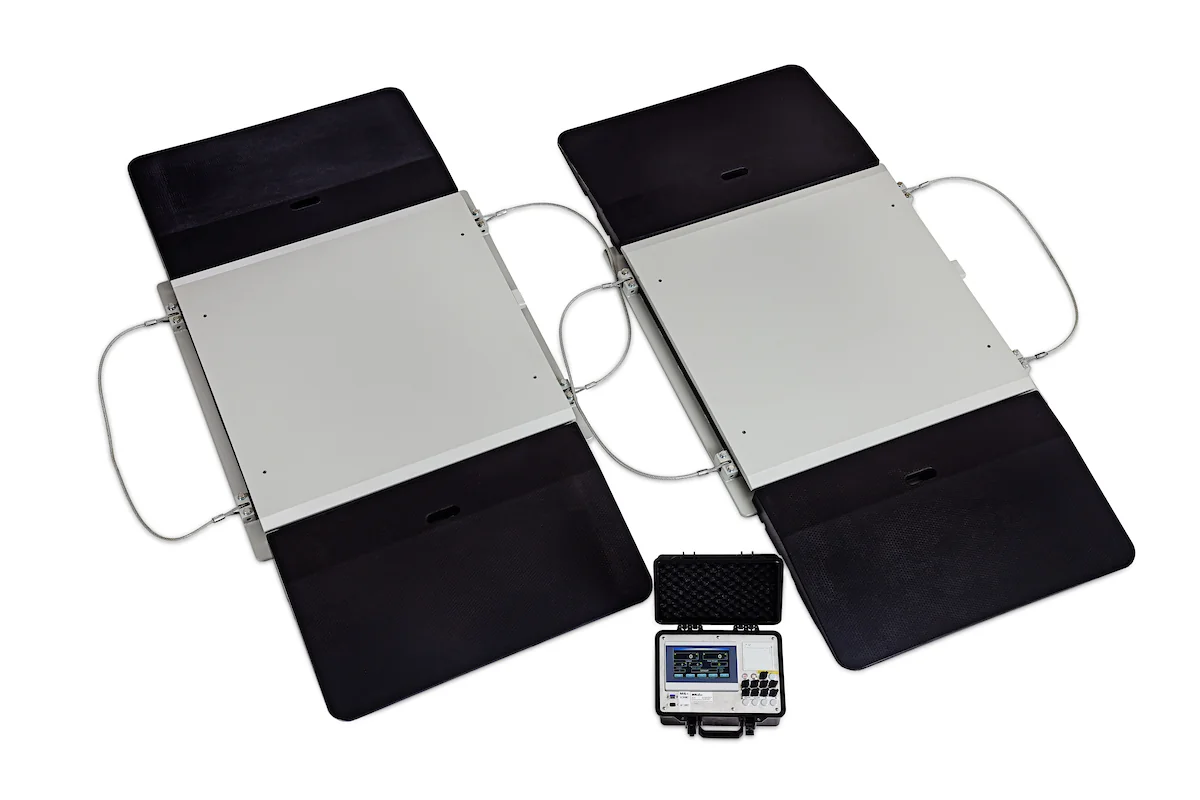
For product selection, start with the portable truck scales category, compare wheel weighers where a compact pad workflow fits, and review the AXW-45 Portable Axle Scale when high-capacity portable axle weighing is the likely fit.
Bottom Line
Portable truck scales are useful when the weighing point needs to move with the work. They can reduce unnecessary trips to a fixed scale, support overload prevention, improve load decisions, and give teams usable weight data closer to the moment it matters.
The best portable setup depends on capacity, site conditions, vehicle type, required records, calibration expectations, and whether the workflow calls for axle pads, wheel weighers, a longer portable platform, or a permanent full-length truck scale instead. Choose the scale around the weighing decision, not just around the word "portable."